

Tour Company Website Design: 7 Steps to More Bookings
Tour Company Website Design: The Complete Guide to Building a High-Converting Tourism Website in Kenya (2026)
Tour company website design is the specialized process of building a digital platform that converts international browsers into confirmed guests. It involves creating intuitive navigation for itineraries, integrating secure booking engines, and optimizing for mobile devices to ensure a seamless planning experience for travelers exploring destinations like Kenya.
In the competitive Kenyan tourism market, your website is often the first and only chance to make a lasting impression on a potential visitor. Whether you are running a luxury safari outfit in the Maasai Mara or a kite-surfing school in Watamu, your online presence dictates your credibility. A well-designed site doesn't just look good; it functions as a 24/7 sales agent that answers questions, builds trust, and secures revenue while you sleep.
What is the best tour company website design?
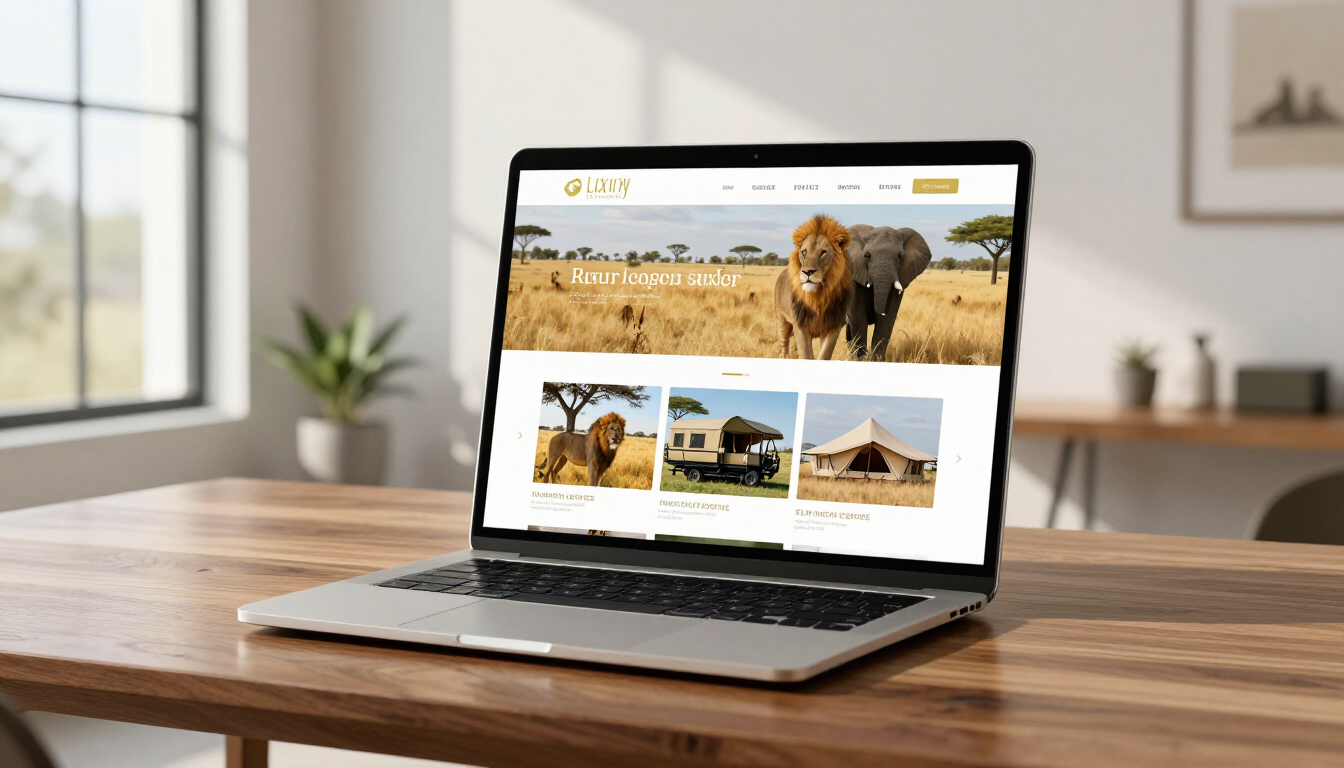
The best tour company website design combines aesthetic beauty with high-performance functionality. It focuses on the user journey, guiding a traveler from the initial inspiration phase to the final booking confirmation with as little friction as possible. This means prioritizing fast load times, clear calls-to-action (CTAs), and high-quality imagery that sells the experience before a guest even arrives.
Key elements of top-tier design include:
- High-resolution, authentic photography of local landscapes.
- Mobile-first layouts for travelers on the move.
- A secure and easy-to-use booking or inquiry system.
- Clear, detailed itineraries with pricing transparency.
- Integration with social proof like TripAdvisor or Google Reviews.
When we look at successful Home pages for travel brands, they all share one thing: they solve the traveler's problem immediately. They show them exactly what they can do, where they will stay, and how much it will cost. For Kenyan operators, this also includes providing reassurance regarding safety, logistics, and local expertise.
Why Kenyan tour operators need a professional site
For many years, Kenyan tour operators relied heavily on third-party platforms and brick-and-mortar agencies in Europe or America. However, the shift toward direct bookings has changed the game. A professional website allows local businesses to bypass high commission fees from OTAs (Online Travel Agencies) and keep more of their hard-earned revenue.
Professionalism online translates directly to trust. An international traveler is unlikely to send thousands of dollars for a safari to a company with a broken layout or a slow-loading site. A polished digital ecosystem shows that you are a legitimate, organized business. Furthermore, a professional site allows you to control your brand narrative, showcasing your unique conservation efforts or community projects that set you apart from the competition.
5 essential features for safari websites
Designing for safari companies requires a specific set of features that cater to the unique needs of a traveler looking for wildlife and adventure. It is not just about a gallery of lions; it is about the logistical ease of planning a multi-day trip. Here are the non-negotiables:
- Dynamic Itinerary Builders : Visitors want to see exactly what their day looks like. Interactive maps and day-by-day breakdowns help visualize the journey.
- Live Availability Calendars : Reducing the back-and-forth emails by showing when a tour is available can significantly increase conversion rates.
- Secure Payment Gateways : Integration with platforms like M-Pesa, Pesapal, or Direct Pay Online (DPO) is crucial for local and international transactions.
- WhatsApp Integration : In the Kenyan context, WhatsApp is the primary communication tool. A floating chat button allows for instant, personal connection.
- Multilingual Support : If your primary market is France, Germany, or Italy, having a site translated by a professional like Gloria Asuza ensures you aren't losing guests to language barriers.
How can a booking system increase your revenue?
A booking system is more than just a checkout page; it is a revenue management tool. By automating the reservation process, you reduce the risk of human error, such as double bookings or missed inquiries. It also allows you to implement "early bird" discounts or seasonal pricing automatically, ensuring you always maximize your yield per guest.
When a booking system is integrated directly into your tour company website design, you can capture leads at their peak moment of interest. If a traveler finds the perfect excursion at 11 PM in London, they don't want to wait 12 hours for a reply from an office in Malindi. They want to pay their deposit and secure their spot immediately. This immediacy is what separates growing tour operators from those that stay stagnant. Automation also frees up your staff to focus on guest experience rather than administrative data entry.
The importance of mobile-responsive design
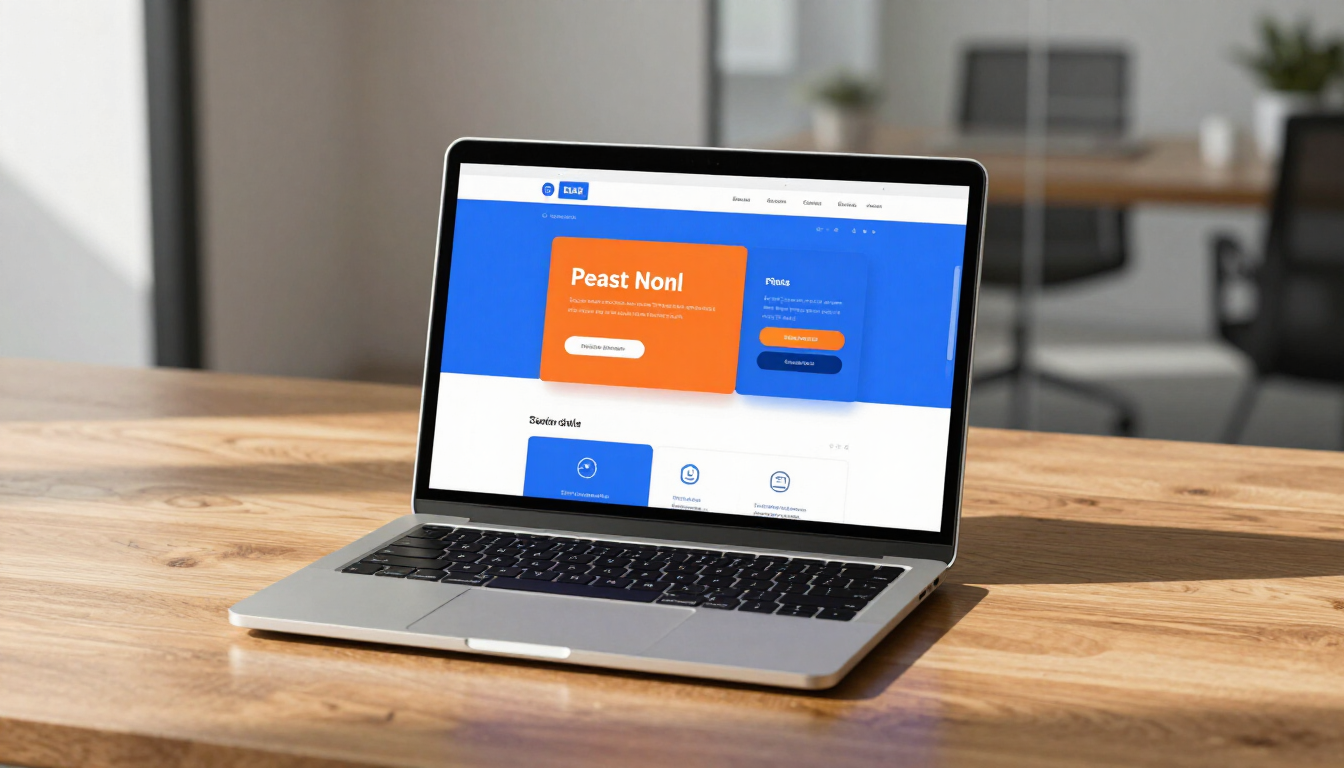
Over 60% of travel searches now happen on a mobile device. Travelers often look for last-minute excursions or check their itinerary details while they are already in the country. If your website is not mobile-responsive, you are essentially closing your doors to more than half of your potential market. A responsive design ensures that text is readable, buttons are clickable, and images resize perfectly regardless of the screen size.
Google also uses mobile-first indexing, meaning it looks at the mobile version of your site to determine your ranking. A poor mobile experience doesn't just frustrate users; it actively hurts your SEO. At The East Coast Journal , we often discuss how digital trends in Kenya are leaning toward "app-like" website experiences that load instantly even on 3G or 4G connections in remote areas.
How do you optimize a travel site for SEO?
SEO (Search Engine Optimization) for tour companies is a multi-layered strategy. You aren't just competing with local rivals; you are competing with global giants like TripAdvisor and Booking.com. To win, you must focus on niche, long-tail keywords that match specific traveler intents. For example, instead of trying to rank for "Kenya Safaris," you should target "Private family safaris in Tsavo East" or "Luxury honeymoon villas in Watamu."
Effective SEO involves:
- Optimizing image ALT tags with descriptive keywords (e.g., "Lion sighting in Maasai Mara tour").
- Creating high-value blog content about local travel tips and packing lists.
- Ensuring your site loads in under 3 seconds to keep bounce rates low.
- Building local backlinks from Kenyan tourism boards and travel directories.
- Using schema markup to help Google display your tours as rich snippets.
Content is king in the travel industry. By regularly updating your blog with information on the best time to visit Kenya or how to apply for an ETA, you position your brand as an authority. This builds trust with both Google and your potential guests.
Building trust with international travelers
International travelers are naturally cautious when booking trips to a foreign country. Your website must act as a trust-building machine. This is achieved through "social proof" and transparency. Including a section for guest testimonials with real photos of the travelers makes your business feel tangible and reliable.
Another way to build trust is through clear accreditation. Displaying logos from the Kenya Association of Tour Operators (KATO) or the Sustainable Tourism Society of Kenya shows that you adhere to industry standards. Furthermore, having a detailed "About Us" page that introduces your guides and your story humanizes your brand. People don't buy from companies; they buy from people. Showing the faces behind the brand, perhaps mentioning your collaboration with local experts, creates a personal connection that a large OTA simply cannot replicate.
Photography and visual storytelling in tour design
In tourism, you aren't selling a product; you are selling a dream. High-quality photography is the most important visual asset you have. Cheap stock photos are easily spotted and can actually damage your brand's authenticity. Investing in a professional photographer to capture your actual fleet of vehicles, your specific camp setups, and the genuine smiles of your staff is worth every shilling.
Video is also becoming an essential component of tour company website design. A 30-second drone clip of a dhow sailing at sunset in Kilifi or a lion cub playing in the grass can do more to sell a tour than 1,000 words of copy. However, these assets must be optimized for the web. Large, uncompressed video files will slow down your site, leading to a poor user experience. Using modern formats like WebP for images and hosting videos on platforms like Vimeo or YouTube is the professional way to handle visual media.
How much does a tour website cost in Kenya?
The cost of tour company website design varies depending on the complexity of the features required. A basic informational site with a contact form is an affordable entry point for new entrepreneurs. However, a full-scale digital ecosystem with an integrated booking engine, multi-currency support, and advanced SEO optimization is an investment in your company's future growth.
When considering the price, look at the Return on Investment (ROI):
- Commission Savings : If a site helps you get just five direct bookings that would have otherwise gone through an OTA, it could pay for itself in a few months.
- Time Efficiency : Automated systems save hours of manual admin work every week.
- Brand Value : A professional site increases the overall valuation of your business.
- Marketing Foundation : A good site makes your paid ads (Google/Facebook) more effective because visitors land on a high-converting page.
- 24/7 Availability : Your site works even when your office is closed for the weekend.
For many growing businesses, starting with a scalable design is the best approach. You can begin with a solid foundation and add features like live chat, advanced filters, or a customer portal as your revenue increases. If you are ready to discuss your project, you can Contact us to get a personalized quote based on your specific needs.
Summary of tour design best practices
To succeed in the modern travel market, your website must be more than a digital brochure. It must be a fast, secure, and mobile-friendly platform that prioritizes the user's needs. By focusing on high-quality visual storytelling, robust booking functionality, and strategic SEO, Kenyan tour operators can effectively compete on a global stage and secure more direct bookings.
Key takeaways for your website project:
- Prioritize mobile responsiveness and fast load times for better SEO and UX.
- Invest in original, high-quality photography to build authentic trust.
- Automate your booking process to capture international leads instantly.
- Focus on long-tail, niche keywords to rank higher on search engines.
- Regularly update your content to stay relevant and authoritative in your niche.
Developing a powerful online presence is a journey, not a one-time task. With the right strategy and a focus on the traveler's experience, your website will become your most valuable business asset. If you need assistance building your digital ecosystem, we are here to help you navigate the process from design to launch.