

AI Automation for Businesses: A 2026 Kenyan Guide
AI Automation for Business: The Complete Guide to Improving Productivity and Growing Your Business in 2026
AI automation for businesses is the use of artificial intelligence to perform repetitive tasks, manage workflows, and engage customers without manual intervention. By integrating tools like chatbots and CRM automation, businesses can reduce operational costs, eliminate human error, and scale productivity efficiently in modern competitive markets like Kenya.
What is AI automation for businesses?
In the rapidly evolving digital landscape of 2026, AI automation for businesses has transitioned from a futuristic luxury to a fundamental necessity. At its core, it involves using software driven by artificial intelligence to handle tasks that previously required human intervention. These tasks range from simple data entry and scheduling to complex customer interactions and predictive analytics. For businesses in Kenya—ranging from boutique hotels in Watamu to large-scale real estate firms in Nairobi—automation acts as a force multiplier, allowing small teams to achieve the output of much larger organizations.
When we talk about automation, we aren't just discussing robots on a factory floor. We are looking at "intelligent" systems that learn from data. For example, an AI-powered system can scan your incoming emails, identify which ones are urgent inquiries, and automatically draft a response or book a meeting on your calendar. This level of sophistication ensures that no lead is dropped and no time is wasted on administrative overhead. At The East Coast Portfolio , we specialize in building these digital ecosystems that help businesses grow while staying lean.
Key Benefits of AI Systems for SMEs
The implementation of AI automation for businesses offers several transformative advantages. While the initial investment might seem daunting, the long-term Return on Investment (ROI) is often undeniable. Here are the primary reasons why modern businesses are making the switch:
- Enhanced Operational Efficiency: Automation removes bottlenecks by executing tasks at speeds impossible for humans.
- Significant Cost Reduction: By automating repetitive processes, businesses can reduce the need for large administrative departments.
- Elimination of Human Error: AI systems perform tasks with consistent precision, ensuring data accuracy across all platforms.
- 24/7 Availability: Automated systems, especially in customer service, work around the clock without fatigue or breaks.
- Data-Driven Decision Making: AI tools analyze vast amounts of data to provide actionable insights for business growth.
For a small business in Kilifi or Malindi, these benefits mean the difference between struggling to keep up with inquiries and scaling to serve an international clientele. By offloading the "busy work" to AI, business owners can focus on high-level strategy and creative problem-solving—the things that truly drive revenue.
Why should Kenyan companies invest in WhatsApp automation?
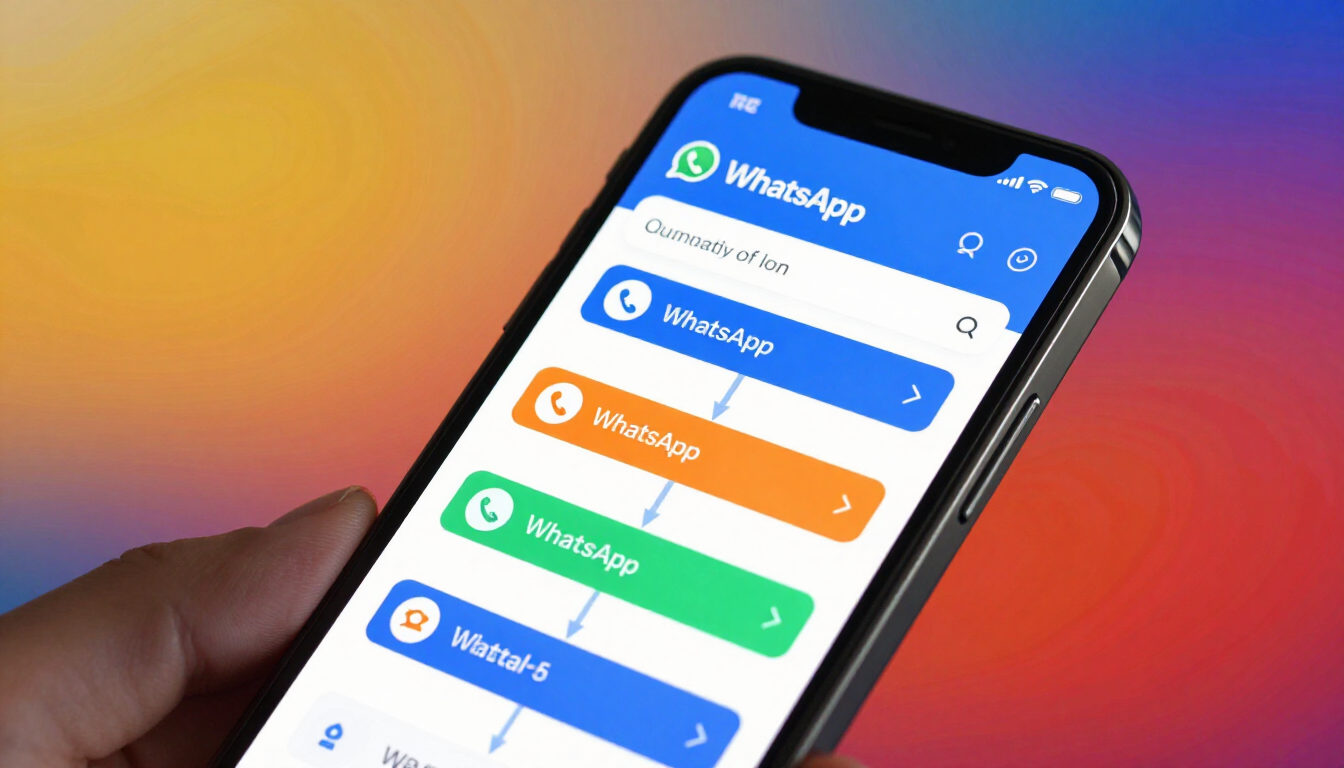
Kenya is a "mobile-first" economy, and WhatsApp is the undisputed king of communication. For any business operating locally, meeting customers where they are is critical. WhatsApp automation allows businesses to handle thousands of conversations simultaneously, providing instant responses to common questions like pricing, availability, and location. This is particularly vital for the tourism and hospitality sectors in places like Watamu, where potential guests expect immediate confirmation.
WhatsApp automation for businesses goes beyond simple "auto-replies." Modern AI-driven WhatsApp bots can:
- Process booking requests and check room availability in real-time.
- Send automated payment reminders and digital invoices.
- Collect customer feedback and reviews after a service is completed.
- Qualify leads by asking preliminary questions before handing them to a human.
- Distribute marketing materials like brochures and catalogs directly in the chat.
By integrating WhatsApp with your existing CRM, you create a seamless loop where every interaction is logged. This ensures that your sales team has the full context of a customer's history the moment they step in to close a deal. For more insights on how to optimize your digital presence, visit The East Coast Journal .
What is the role of AI chatbots in modern customer service?
Customer service has been revolutionized by AI chatbots. Unlike the rigid, frustrating bots of the past, today’s AI-powered assistants use Natural Language Processing (NLP) to understand intent and sentiment. This means they can handle complex queries and provide helpful, human-like assistance. In the context of AI automation for businesses, chatbots serve as the first line of defense, filtering out routine questions so your staff can focus on high-value interactions.
For a real estate agency, a chatbot on the website can offer virtual tours, provide property details based on a user's budget, and even schedule viewings. This happens at 2:00 AM just as easily as it does at 2:00 PM. The consistency of service is a major factor in building trust with potential clients. If a visitor to your site gets an answer in five seconds, they are far more likely to convert than if they have to wait for an email reply the next business day.
Top 5 AI Automation Tools for 2026
Choosing the right tools is essential for successful implementation. While we recommend a custom approach at The East Coast Portfolio , these five tools are currently leading the market in terms of reliability and integration capabilities:
- Zapier/Make: These are the "glue" of the internet, connecting different apps to create automated workflows.
- OpenAI (GPT-4o/o1): The engine behind many advanced chatbots and content generation tools.
- HubSpot AI: A powerful CRM that automates lead tracking, email marketing, and sales pipelines.
- ManyChat: Specifically designed for automating social media conversations and WhatsApp marketing.
- Intercom: A high-end customer service platform that uses AI to resolve support tickets instantly.
How does CRM automation improve lead generation?
CRM (Customer Relationship Management) automation is the backbone of a successful sales strategy. Without it, leads often fall through the cracks of spreadsheets and sticky notes. AI automation for businesses in the realm of CRM ensures that every person who interacts with your brand is tracked, nurtured, and moved through the sales funnel systematically.
When a potential client fills out a form on your website, CRM automation can immediately trigger a series of events. It can assign the lead to the correct sales representative, send a personalized welcome email, and schedule a follow-up task. More importantly, AI can "score" these leads based on their behavior—such as which pages they visited or how long they spent watching a demo video. This allows your team to prioritize the "hottest" leads, significantly increasing conversion rates.
In the competitive Kenyan market, speed to lead is everything. Studies show that businesses that respond to inquiries within five minutes are 100 times more likely to connect with the lead than those that wait 30 minutes. Automation makes this five-minute window achievable every single time, regardless of your team's current workload.
Implementing Automation in the Kenyan Market
Implementing AI automation for businesses in Kenya requires a nuanced understanding of the local market. Internet connectivity, mobile payment preferences (like M-Pesa), and linguistic diversity (English and Swahili) all play a role in how automation should be structured. At The East Coast Portfolio, we focus on building systems that are not only technologically advanced but also culturally relevant and easy for local customers to use.
One of the most effective ways to start is through email automation. While social media gets a lot of attention, email remains one of the highest ROI marketing channels. By automating your email sequences—sending a welcome series to new subscribers or a "re-engagement" email to former clients—you maintain a constant presence in your audience's inbox without having to hit "send" manually. This keeps your business top-of-mind when they are ready to make a purchase.
Where should a business start with workflow automation?
Starting with AI automation for businesses doesn't mean you have to overhaul your entire operation overnight. The most successful implementations follow a phased approach. Start by identifying the single most repetitive, time-consuming task in your daily routine. Is it responding to FAQs? Is it generating invoices? Is it posting to social media? Once you identify that pain point, you can apply a targeted automation solution.
Workflow automation typically follows these steps:
- Audit: Map out your current processes and identify manual bottlenecks.
- Select: Choose a tool (like Zapier or HubSpot) that fits your budget and technical needs.
- Build: Create the "If/Then" logic for your automation (e.g., If a form is submitted, Then send an email).
- Test: Run the automation in a controlled environment to ensure it works as expected.
- Refine: Use the data collected to improve the workflow over time.
Automation is a journey, not a destination. As your business grows and AI technology advances, you will find more opportunities to streamline your operations. For professional guidance on where to begin, feel free to reach out to our team via our Contact Page .
Conclusion: The Future of Business is Automated
AI automation for businesses is no longer a choice—it is the standard for growth in 2026. By embracing AI chatbots, WhatsApp automation, and CRM workflows, businesses can operate with unprecedented efficiency and precision. This technology levels the playing field, allowing Kenyan SMEs to compete on a global scale while providing superior service to their local customers.
Key Takeaways:
- Efficiency: AI eliminates repetitive tasks, freeing up human talent for strategic growth.
- Customer Experience: Tools like WhatsApp bots provide the instant responses modern customers demand.
- Scalability: Automated systems allow your business to handle more leads and tasks without increasing headcount.
- Cost Control: Long-term operational costs are significantly reduced through smarter resource management.
To start your automation journey and transform your business into a high-performance digital ecosystem, The East Coast Portfolio is here to help. Whether you are looking for a complete website overhaul or a targeted AI integration, we have the expertise to make it happen.