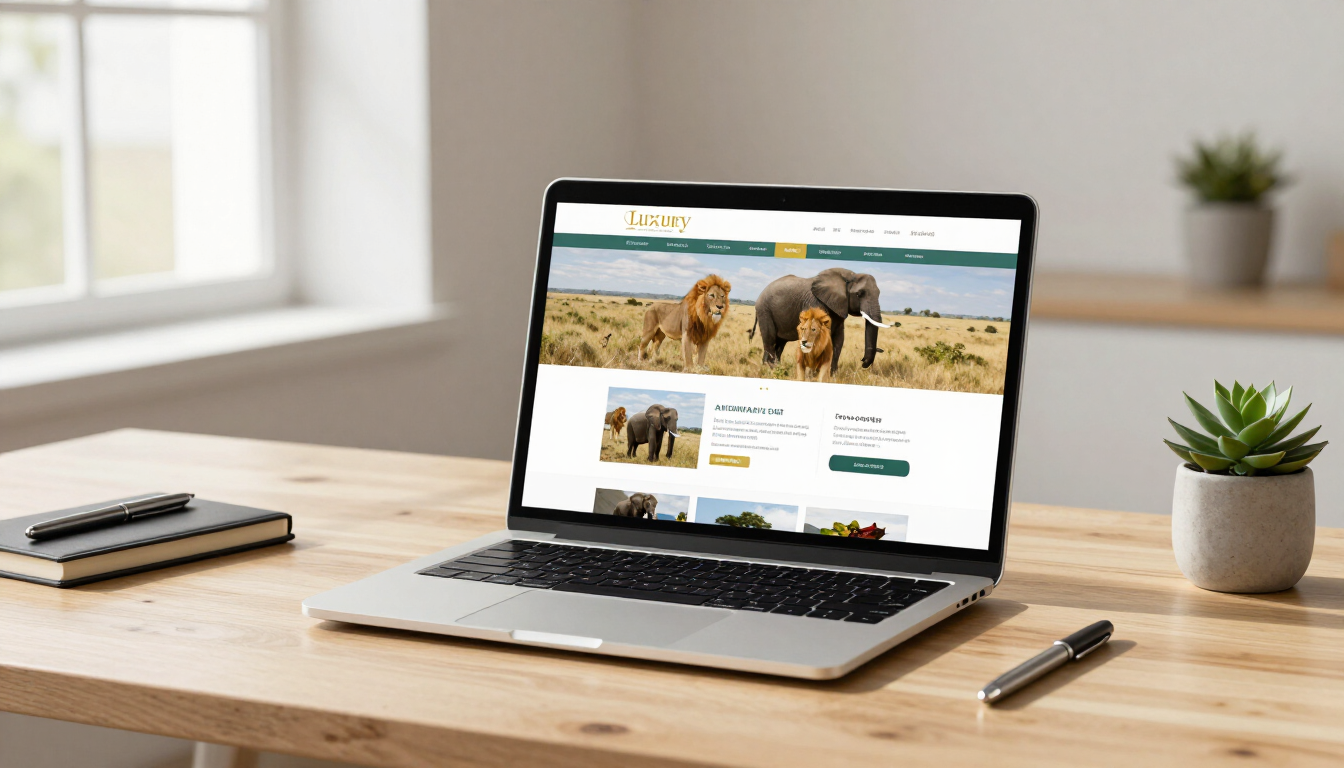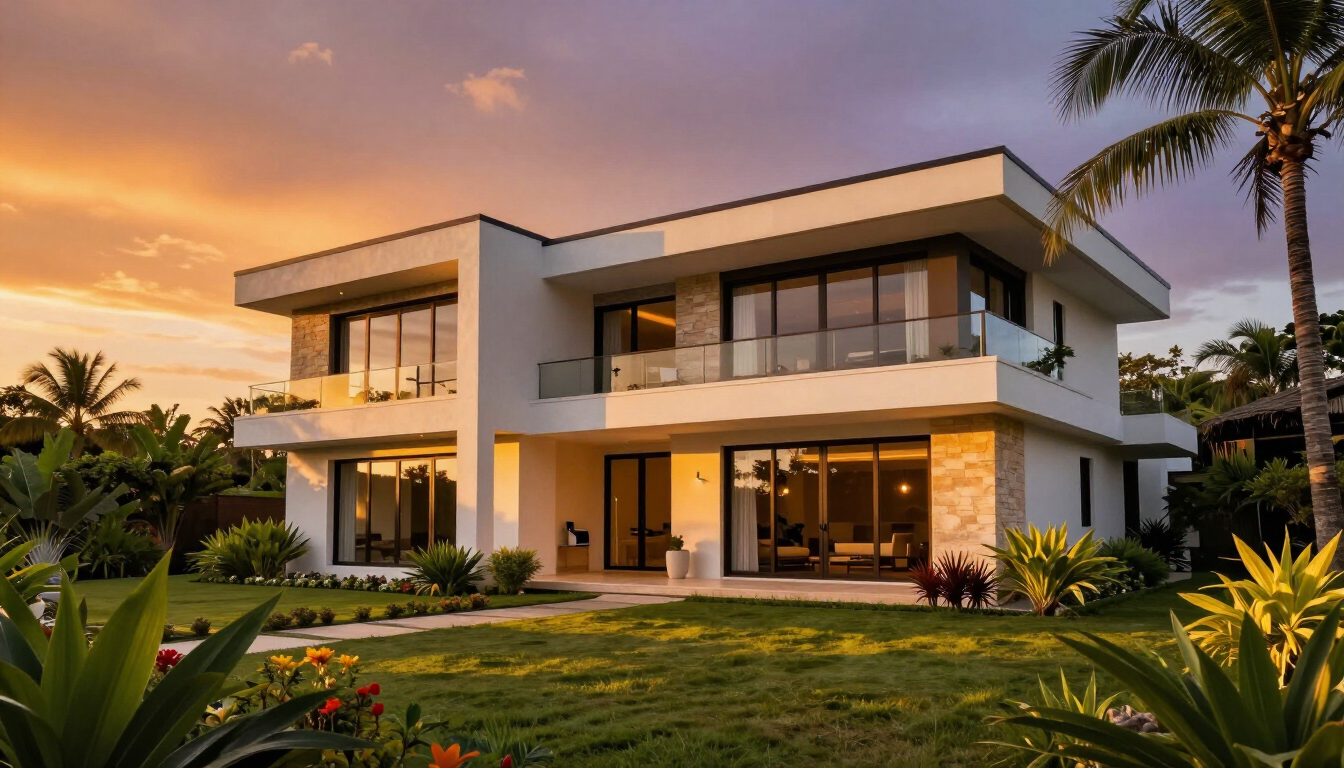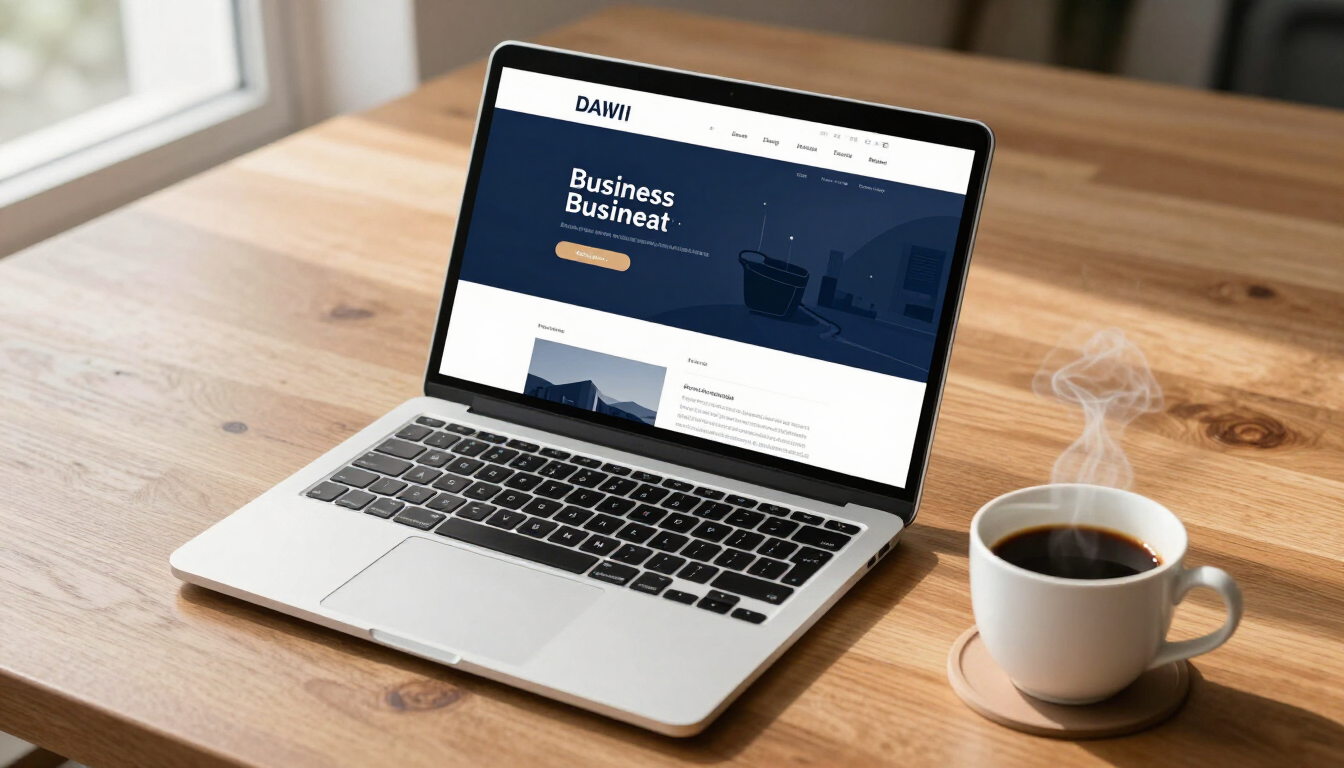
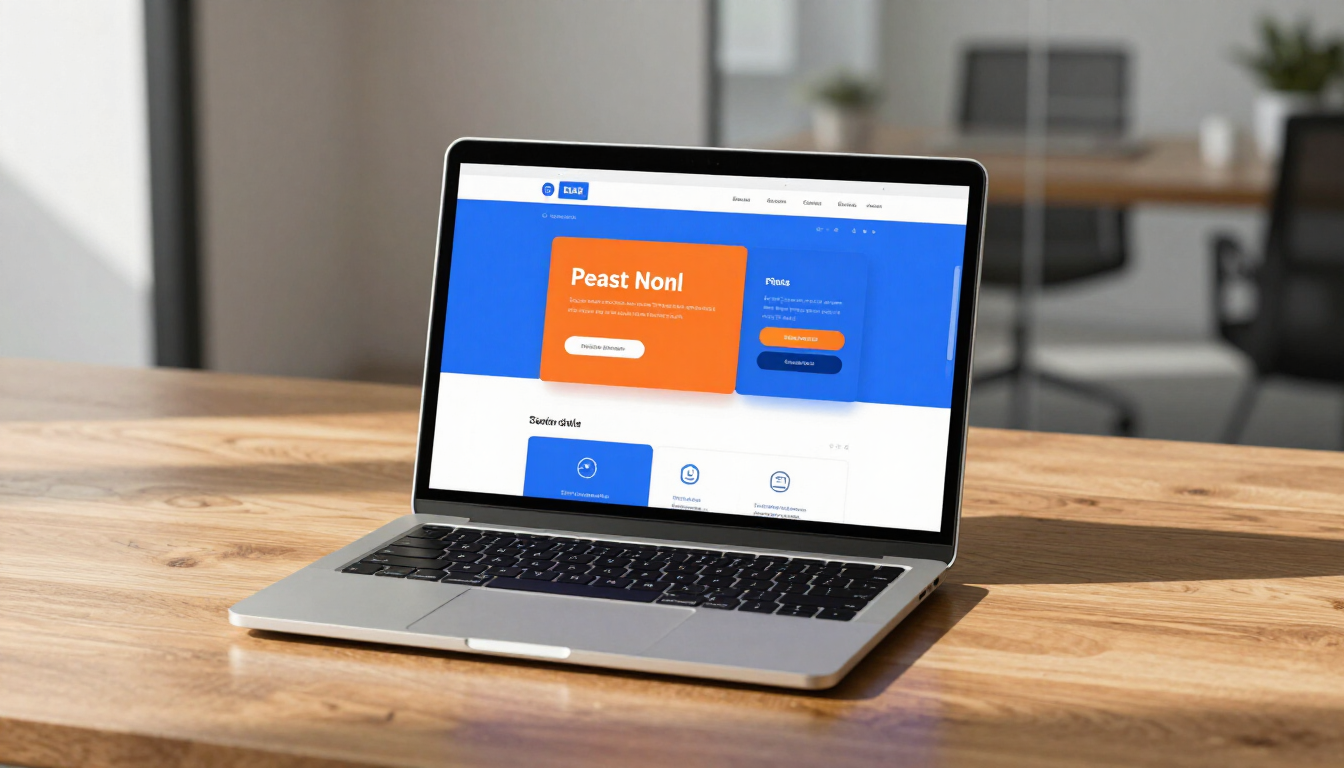
Hotel Website Design Guide: Win More Bookings in 2026
Hotel Website Design: The Complete Guide to Creating a High-Converting Hotel Website in Kenya (2026)
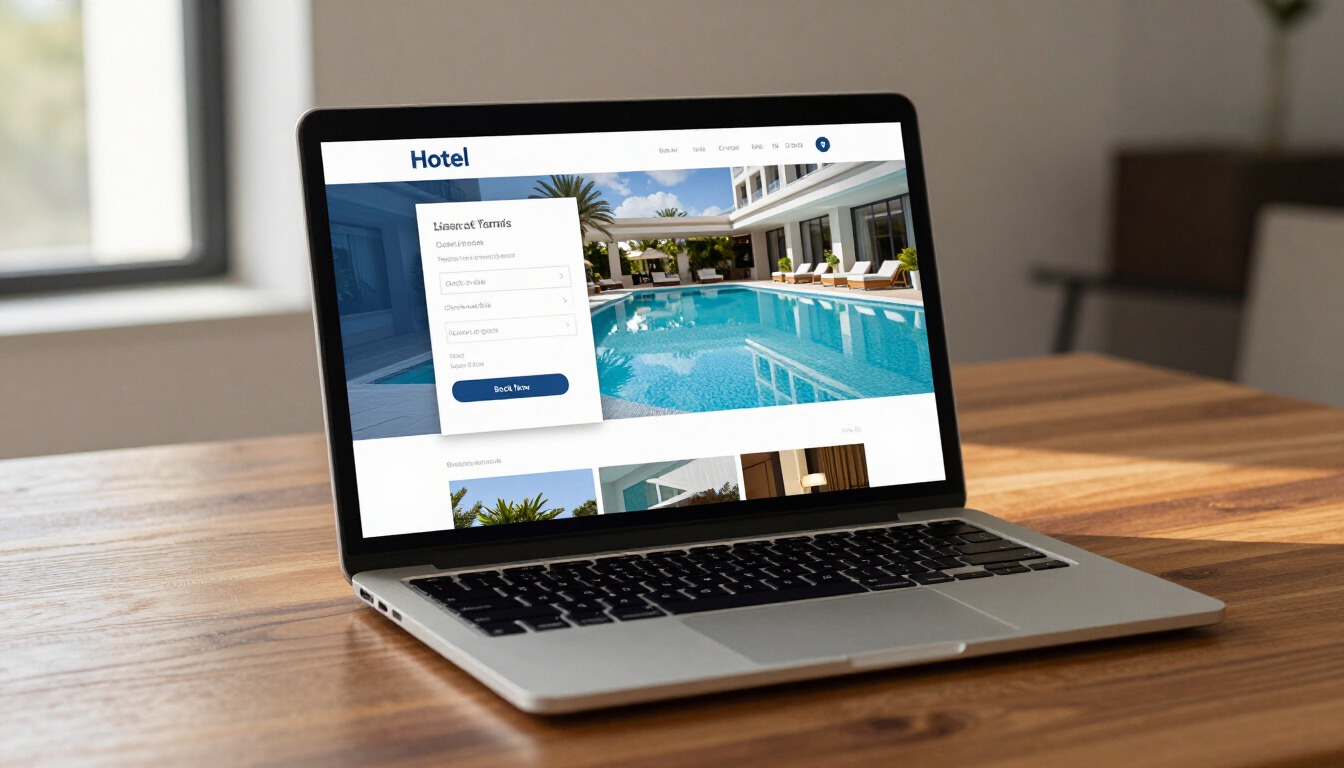
Hotel website design is the process of creating a professional, high-converting digital platform tailored for hospitality businesses. By combining aesthetic appeal, mobile optimization, and integrated booking engines, a well-designed website reduces reliance on third-party commissions, strengthens brand identity, and provides guests with a seamless reservation experience from discovery to check-out.
Why is hotel website design important for direct bookings?
In the modern hospitality landscape, your website is more than just a digital brochure; it is your most powerful sales tool. When a potential guest searches for accommodation in places like Watamu or Malindi, they often start their journey on Online Travel Agencies (OTAs) like Booking.com or Expedia. However, savvy travelers will almost always visit the official hotel website to check for better rates, authentic photos, and specific amenities.
If your website is slow, outdated, or difficult to navigate, those visitors will return to the OTA to book, costing you anywhere from 15% to 25% in commission fees. A professional hotel website design captures that traffic and converts it into direct revenue. By providing a clear "Book Now" button and highlighting direct-booking perks—such as free breakfast or late check-out—you create a compelling reason for guests to bypass the middlemen.
Furthermore, direct bookings allow you to own the guest relationship from day one. You collect their email address, understand their preferences, and can offer personalized upsells before they even arrive. This level of control is impossible when you rely solely on external platforms.
The Financial Impact of Reducing OTA Reliance
For many hotel owners in Kenya, OTA commissions are a significant overhead cost. While these platforms provide valuable exposure, they also eat into profit margins. Strategic hotel website design focuses on the "Billboard Effect," where your presence on OTAs drives traffic to your site, which you then convert for free.
Consider the math: If a boutique villa in Kilifi generates $100,000 in annual revenue through OTAs, they could be paying up to $20,000 in commissions. By investing in a high-quality website design and SEO strategy to move just 30% of those bookings to their own site, the owner could save $6,000 annually. Over five years, that is $30,000 back in the business's pocket—far more than the cost of a premium website.
What are the essential features of a high-converting hotel website?
To compete in 2026, a hotel website must go beyond basic contact information. It needs to provide an immersive experience that mirrors the hospitality guests will receive on-site. The following features are non-negotiable for success:
- Integrated Booking Engine: A seamless, secure, and fast booking process that allows guests to check availability and pay in real-time.
- High-Resolution Visuals: Professional photography and video tours of rooms, dining areas, and local attractions.
- Mobile-First Navigation: Ensuring the site functions perfectly on smartphones, as over 70% of travel research happens on mobile.
- Social Proof and Reviews: Live feeds from TripAdvisor or Google Reviews to build immediate trust with new visitors.
- Clear Calls to Action (CTAs): Visible and enticing buttons that guide the user toward making a reservation.
How does mobile-friendly design affect the guest experience?
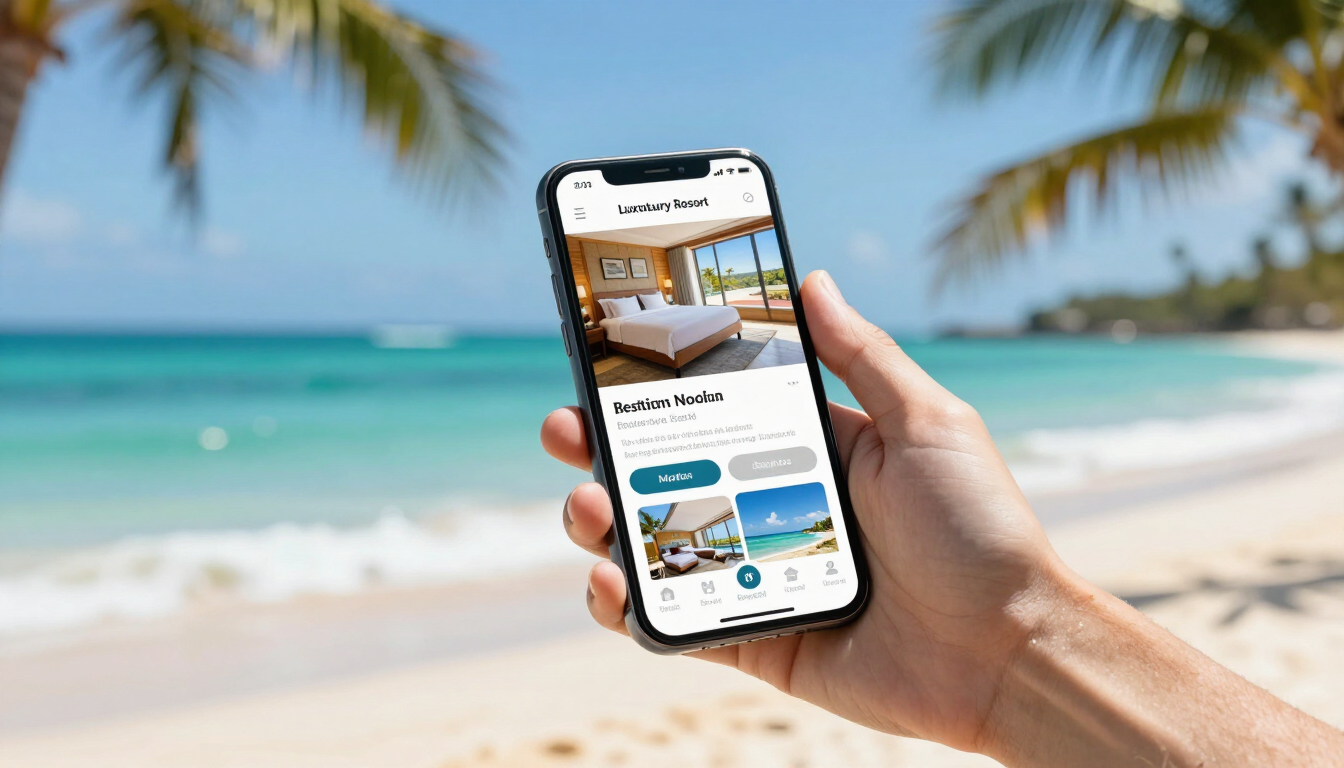
Mobile-friendliness is no longer an "extra" feature; it is the foundation of modern web design. Guests traveling through Kenya often book last-minute accommodations while on the move, using their smartphones. If your site takes too long to load or requires pinching and zooming to read the text, the guest will simply move on to a competitor.
Google also uses mobile-first indexing, meaning your search engine ranking is directly tied to how well your site performs on mobile devices. A mobile-optimized hotel website design ensures that images are compressed for speed, buttons are large enough for thumbs, and the booking form is simplified for small screens. This frictionless experience directly correlates with higher conversion rates and lower bounce rates.
Strategic SEO for Kenyan Hospitality Brands
Search Engine Optimization (SEO) ensures that when someone types "best boutique hotel in Watamu" into Google, your site appears on the first page. For hotels in Kenya, local SEO is particularly vital. This involves optimizing your Google Business Profile and ensuring your website contains location-specific keywords that match traveler intent.
Content marketing is another pillar of SEO. By creating blog posts about local hidden gems, travel tips for Kenya, or the best times to visit the coast, you attract potential guests who are in the research phase of their trip. This positions your brand as an authority and builds a connection before the guest has even decided on a specific hotel.
How to optimize your hotel website for Google Search?
Optimizing for search engines requires a mix of technical precision and creative content. To rank higher and win more traffic, focus on these five core areas:
- Keyword Research: Target long-tail keywords like "luxury villa with private pool Malindi" rather than just "Kenya hotel."
- On-Page Optimization: Include your primary keywords in H1 tags, meta descriptions, and image alt text.
- Site Speed: Use fast hosting and optimized code to ensure your pages load in under two seconds.
- Local Backlinks: Get listed on local tourism boards, travel blogs, and news sites to increase your domain authority.
- Schema Markup: Use specialized code to tell Google about your room types, pricing, and star ratings so they appear in search results.
Integrating Modern Booking Engines and Payment Gateways
A beautiful website is useless if it cannot process payments. In the Kenyan market, integrating local payment solutions like M-Pesa alongside international credit card processors (Stripe, PayPal, Pesapal) is essential. This flexibility ensures you don't lose local or international travelers at the final stage of the funnel.
Modern booking engines also allow for automated confirmation emails, upselling options (like airport transfers or spa treatments), and synchronization with your Property Management System (PMS). This automation reduces the administrative burden on your staff and minimizes the risk of overbooking.
What does a professional hotel website cost in Kenya?
The cost of hotel website design in Kenya varies based on the complexity of the project and the features required. A simple site for a small guest house may start at a lower price point, while a comprehensive resort website with custom integrations, professional photography, and advanced SEO can be a larger investment.
However, it is vital to view this as a capital investment rather than an expense. A site that generates just two or three extra direct bookings per month will typically pay for itself within the first year. When you factor in the savings on OTA commissions and the long-term value of a built-in guest database, the ROI is undeniable. For a custom quote tailored to your property, you can contact us to discuss your specific needs.
Building Trust Through Visual Storytelling and Reviews
In the hospitality industry, you are selling an experience, not just a room. Your website must use visual storytelling to transport the guest to your property. This means using high-quality video backgrounds, drone footage of the surrounding landscape, and candid shots of the guest experience.
Authenticity is key. While professional photos are great, guests also value transparency. Including a section for user-generated content or a live Instagram feed shows that real people are enjoying your property right now. When combined with verified reviews, this creates a "trust stack" that makes the booking decision easy for the visitor.
Key Takeaways for Hotel Website Success
Investing in professional hotel website design is the most effective way to grow your hospitality brand and increase your bottom line. By focusing on user experience, mobile optimization, and direct booking incentives, you can break free from the cycle of high OTA commissions.
- Prioritize Direct Bookings: Use your website to offer exclusive deals and capture guest data.
- Optimize for Mobile: Ensure your site is fast and easy to use on all devices.
- Focus on SEO: Use local keywords and high-quality content to rank on Google.
- Showcase Visuals: Invest in professional photography to sell the experience.
- Integrate Payments: Offer both local and international payment options for maximum conversion.
Ready to elevate your digital presence? The East Coast Portfolio specializes in creating high-performance digital ecosystems for the Kenyan hospitality sector. Whether you are a small villa or a large resort, we can help you build a website that works as hard as you do. Get started today and see the difference a professional design can make.