


Real Estate Website Design: The 2026 Guide for Kenya
Real Estate Website Design: The Complete Guide to Building a High-Converting Property Website in Kenya (2026)
Real estate website design is the strategic development of a high-performance digital platform that showcases property listings, captures qualified leads, and builds investor trust. For Kenyan agencies, it integrates mobile-responsive layouts, advanced search filters, and local SEO to transform digital traffic into successful property transactions and long-term business growth.
What makes a real estate website design effective?
An effective real estate website goes beyond simple aesthetics; it serves as a 24/7 virtual office that guides potential buyers through the discovery process. In the competitive Kenyan market, from the bustling streets of Nairobi to the coastal allure of Watamu, a website must immediately communicate professionalism. The design must be clean, fast-loading, and intuitive, ensuring that a user can find their desired property type within three clicks.
Effectiveness is measured by how well the site converts visitors into enquiries. This requires a balanced visual hierarchy where the most important information—such as price, location, and property size—is clearly visible without overwhelming the user. A strong design also incorporates 'Social Proof,' such as testimonials and recently sold properties, which validates the agency's expertise and reliability in the eyes of a skeptical buyer.
Core Features for Kenyan Property Websites
To stand out in the local landscape, your website needs specific technical features tailored to the Kenyan real estate journey. Whether you are selling land in Malindi or luxury apartments in Westlands, these elements are non-negotiable for high-performing sites:
- Dynamic Property Listings: A central database where listings can be easily added, updated, or marked as 'Sold.'
- High-Resolution Image Galleries: Professional visual displays that allow users to swipe through every room and outdoor space.
- Integrated WhatsApp Chat: Given Kenya's high WhatsApp usage, a direct button for instant communication is essential for conversion.
- Interactive Location Maps: Using Google Maps integration to show proximity to schools, hospitals, and shopping centers.
- Lead Capture Forms: Strategically placed forms on property pages to collect names, emails, and phone numbers of interested buyers.
These features ensure that the user experience is seamless. When a property developer or agency invests in these core functionalities, they reduce the friction between a buyer's interest and their first contact with the sales team. At The East Coast Portfolio , we specialize in building these specific systems for the Kenyan market.
How does SEO help real estate agencies get more leads?
Search Engine Optimization (SEO) is the backbone of organic lead generation for real estate. When a potential buyer searches for "3 bedroom house for sale in Kilifi" or "commercial office space in Nairobi," you want your website to appear on the first page of Google. Kenyan real estate SEO involves optimizing your site for local intent, ensuring that your listings are discoverable by those specifically looking in your service areas.
Effective SEO for property includes optimizing metadata, using location-specific keywords, and ensuring your site has a fast loading speed. By creating localized landing pages for different neighborhoods, you can capture highly targeted traffic. For example, a page dedicated to "Watamu Holiday Homes" will attract a different, more specific buyer than a general real estate page. This targeted approach significantly increases the quality of the leads you receive.
The Impact of Mobile Responsiveness on Property Sales
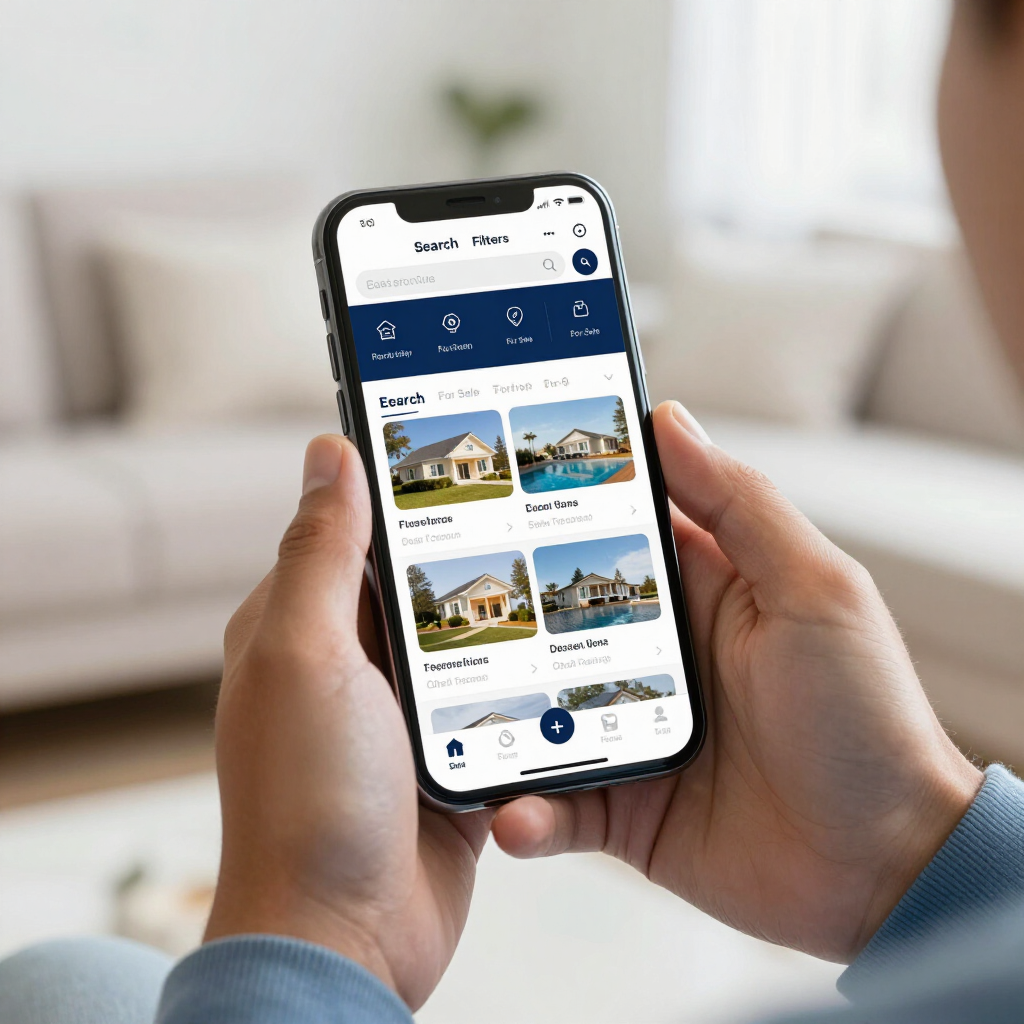
In Kenya, the vast majority of property searches begin on a mobile device. If your website is not fully responsive—meaning it doesn't automatically adjust its layout for smartphones—you are likely losing more than 70% of your potential audience. A mobile-friendly real estate website ensures that property photos look stunning on small screens and that buttons are easy to tap with a thumb.
Mobile responsiveness also impacts your search engine rankings. Google uses "mobile-first indexing," which means it primarily looks at the mobile version of your site to determine where you should rank. A site that is difficult to navigate on a phone will be penalized, leading to lower visibility and fewer enquiries. Investing in a professional website design that prioritizes mobile users is no longer optional; it is a fundamental requirement for survival in the digital age.
Why is professional photography vital for property listings?
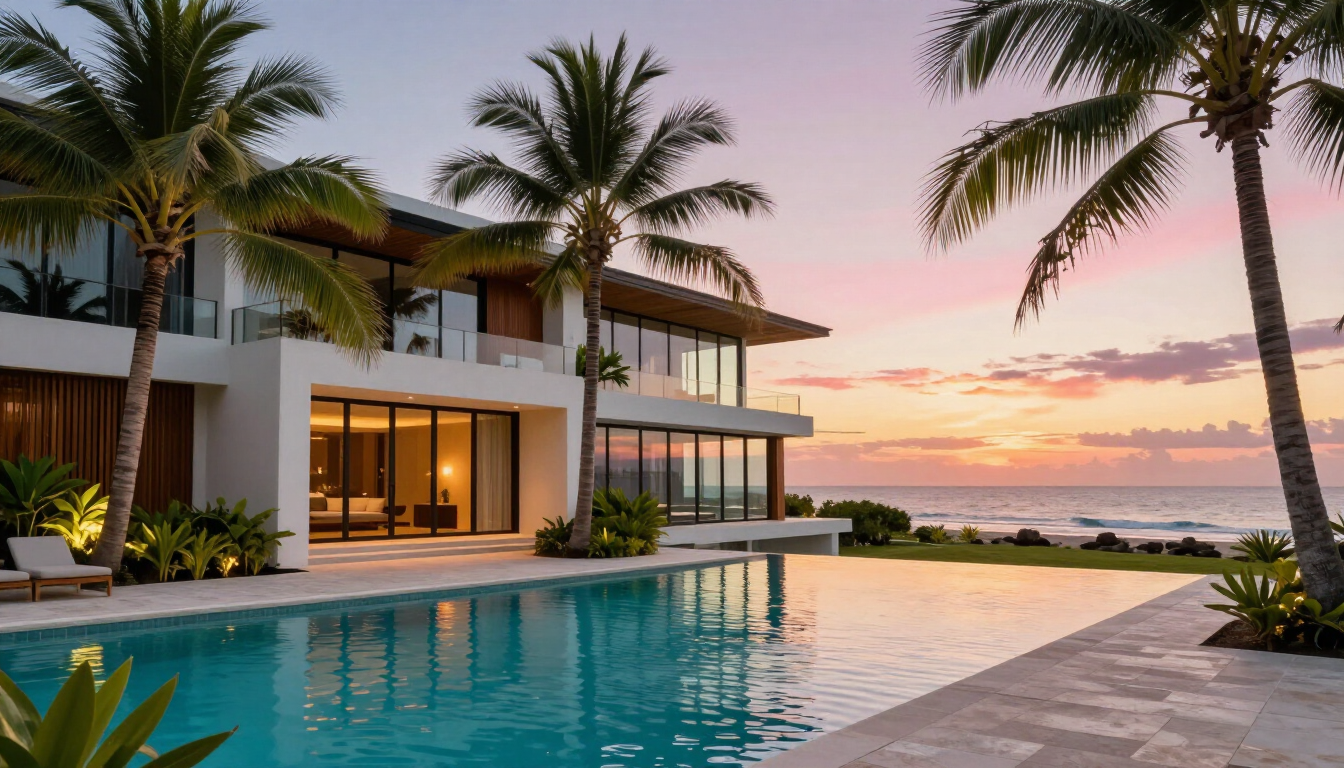
Real estate is a visual industry. Buyers often make an emotional decision within the first few seconds of viewing a property's photos. Professional photography showcases a property's best features, uses natural lighting to create a sense of space, and presents a polished image of your brand. In the luxury market, high-quality visuals are the primary driver of high-value enquiries.
- Creates a Strong First Impression: High-quality images signal that the property is well-maintained and valuable.
- Increases Time on Page: Users spend more time exploring listings with beautiful photos, which signals to Google that your content is valuable.
- Enhances Social Media Sharing: Visually striking properties are more likely to be shared on Instagram and Facebook.
- Builds Brand Authority: It shows that your agency invests in quality, making you more attractive to premium sellers.
- Speeds Up the Sales Cycle: Buyers who see clear, detailed photos are often better informed and more ready to commit when they view the property in person.
Integration of Advanced Property Search Tools
Modern real estate website design must cater to the user's need for efficiency. Advanced search tools allow users to filter listings by price range, property type, number of bedrooms, and specific amenities like swimming pools or high-speed internet. This functionality turns a passive browser into an active searcher, helping them narrow down hundreds of listings to the three or four that truly meet their needs.
Furthermore, features like "Saved Searches" and "Email Alerts" keep your brand top-of-mind. When a user saves a search for land in Malindi, your system can automatically notify them when a new listing matches their criteria. This automation creates a continuous loop of engagement, bringing users back to your site without any manual effort from your sales team. This is a core part of the digital ecosystems we build for our clients.
How much does a real estate website cost in Kenya?
The cost of real estate website design in Kenya varies depending on the complexity of the features required. A simple site for a boutique agency might start at a lower price point, while a comprehensive portal for a large property developer with CRM integration, automated marketing, and hundreds of listings will require a larger investment. Factors that influence the price include:
- Level of Customization: Unique designs tailored to your brand vs. standard templates.
- Property Management System (PMS): The complexity of the backend used to manage listings.
- Third-Party Integrations: Connecting the site to external tools like Property24 or internal CRMs.
- SEO Strategy: The depth of initial optimization and content creation needed.
- Ongoing Maintenance: Monthly updates, hosting, and security management.
While cost is a factor, it's important to view your website as an investment rather than an expense. A single high-value property sale generated through your website can often cover the entire cost of development several times over.
Strategies for Building Trust with Online Property Buyers
In the Kenyan real estate market, trust is the most valuable currency. With concerns about land scams and fraudulent listings, your website must work hard to prove your legitimacy. Building trust starts with transparency. Clearly display your physical office address, your team members' faces and bios, and your professional certifications.
Including a dedicated blog section where you share market insights, legal advice for buyers, and neighborhood guides establishes you as an authority in the field. When you provide value for free through information, you build a relationship with the buyer before they even pick up the phone. This "authority-first" approach is what separates the top-performing Kenyan agencies from the rest.
Summary: Key Takeaways for Real Estate Digital Success
To succeed in the Kenyan real estate market in 2026, your website must be more than just a digital brochure; it must be a high-conversion engine. By focusing on mobile-first design, local SEO, and advanced search functionality, you can capture the attention of serious buyers and investors. Professional visuals and trust-building elements like testimonials and educational content will ensure that once they find you, they stay with you.
- Prioritize Mobile: Ensure your site works perfectly on all smartphones.
- Optimize for Local Search: Target specific Kenyan neighborhoods in your SEO strategy.
- Invest in Quality Visuals: Use professional photography to drive emotional engagement.
- Automate Lead Capture: Use WhatsApp buttons and intelligent forms to collect data.
- Build Authority: Use a blog and detailed team profiles to establish trust.
Ready to elevate your property business? Contact us today to discuss how we can build a high-performing real estate website for your agency.